- ktown konnection | a newsletter by kdramareports
- Posts
- culture close-up | Is there truth to "The Dream Life Of Mr. Kim" ?
culture close-up | Is there truth to "The Dream Life Of Mr. Kim" ?
Korean work culture: Reality vs. Hyperbole

Melissa@KDR
January 05, 2026

IN THIS ISSUE:
How much of “The Dream Life Of Mr. Kim” is true-to-life?
What’s changing: hierarchy, work dinners
From titles to job interviews: Korean startups vs. conglomerates
Plus: how different generations view work today
Happy New Year and Year of the Fire Horse.
For my first culture close-up piece of 2026 and first issue of the year, I’m diving into work culture as many folks return to the office this week post-holidays.
“The Dream Life Of Mr. Kim” (서울 자가에 대기업 다니는 김 부장 이야기) is a slice-of-life drama that begins as an unassuming portrayal of the daily grind but culminates into a thoughtful study of modern Korean work culture.
The webtoon-turned-Kdrama does a deep exploration of cultural nuances - as we are introduced to the show's characters and unique world, we get a sense of the careful navigation of workplace dynamics - including generational differences and office politics.
Originally a novel written by Song Hee-koo, the JTBC drama was a hit in Korea, resonating with audiences on a personal level. (The full series is available now on Netflix in the U.S.; its last episode was released in late November.)
It’s the latest series featuring office life in Korea; it’s been 11 years since the release of “Misaeng,” a critically-acclaimed drama with a compelling portrayal of 9-to-5 life. A whole pandemic, multiple culture shifts, economic cycles, and administrations ago.
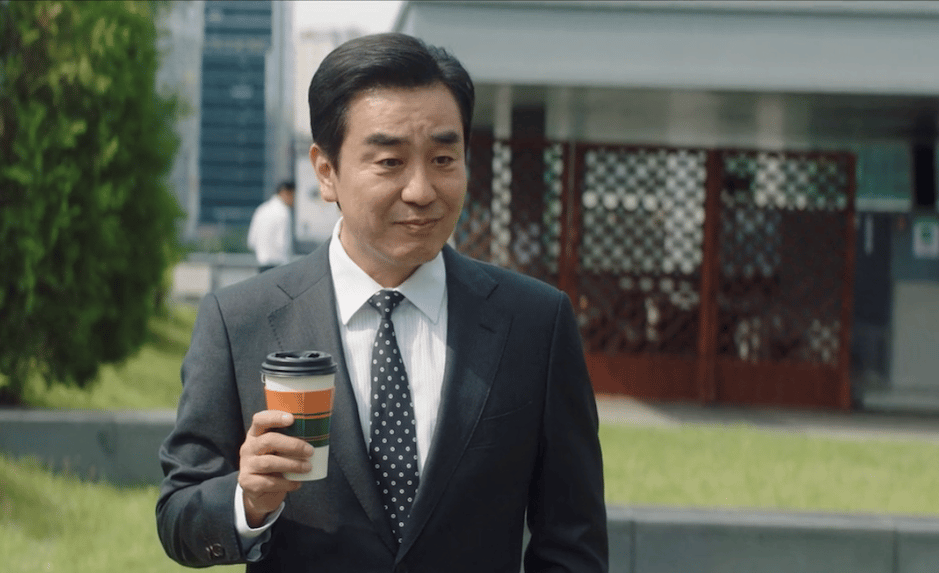
In “The Dream Life Of Mr. Kim,” Kim Nak-su (Ryu Seung-ryong) is a senior manager who's been at the same company for over 20 years; he dreams of getting promoted to an executive position. Through Kim's journey - along with his family, viewers get a glimpse of the complexities and vulnerabilities specific to one’s job and its context in Korea, exploring themes of hierarchy, ageism, classism, gender roles, and identity.
But how much of the workplace culture portrayed onscreen is an accurate reflection of Korea today? How much of it is exaggerated?
I interviewed three individuals based in Korea who shared different perspectives on work culture.
They each shed light on the influences shaping office culture today, the historical events impacting generational views, and which spaces and practices are currently undergoing change.
Reply